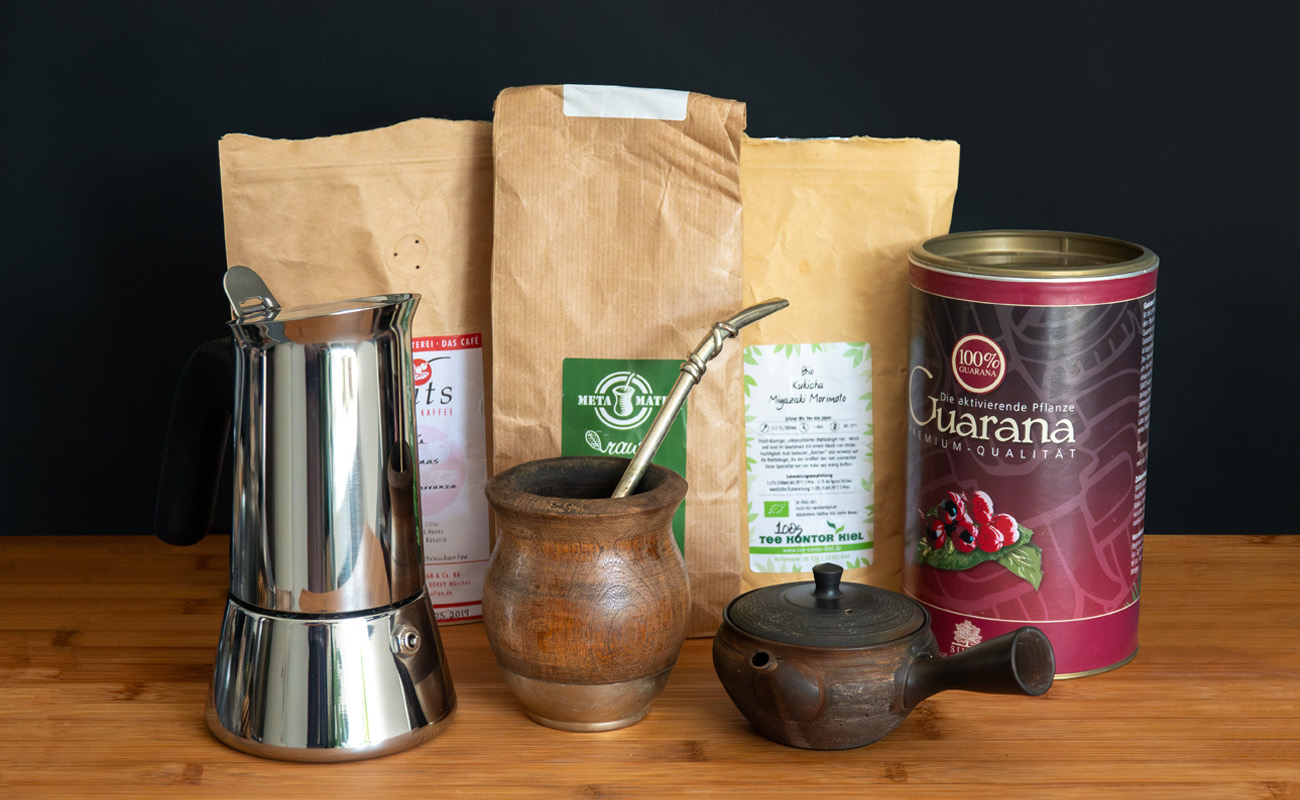
Caffeine has long been a trusted companion for those seeking an energy boost or a little extra focus during the day. For me there's hardly a more delightful start to the day than with a hearty brew of Japanese green tea; it's not just about the energy boost but the moments of serenity it offers, fostering bonds over heartfelt discussions or just giving us that comforting hug in a mug. Moreover, as someone who is nutritionally conscious - much like many of you - I find it essential to understand the various shades of joy and benefits these beverages bring to our tables, and to our lives. It's more than just a drink; it's a lifestyle, a conscious choice.
In this article, we'll explore the world of caffeine and the unique effects of guarana, mate, coffee, and green tea on your body that have been fostering communities and nurturing well-being for centuries. So grab a cup of your favourite brew, and let's dive right in!
Coffee: The Classic Wake-Me-Up

Honestly, what would the mornings for many people be without coffee? Coffee stands tall as the most widely consumed caffeinated beverage worldwide, promising a potent kick of energy, thanks to its higher caffeine concentration. Every morning, many of us look forward to this little ritual, a cup that promises a surge of alertness and a good start to the day.
Origin and Cultural Significance:
Let's travel back to the Ethiopian highlands where it all began. Legend has it that it was discovered by a goat herder named Kaldi in the 9th century. From there, it journeyed to Yemen, where it became intertwined with Islamic culture, serving as a spiritual drink that kept devotees awake during long prayer sessions. Imagine the vibrant and intellectual discussions that ignited in Persian and laterIstanbul coffee houses, known as "qahveh khaneh", in the 15th and16th centuries. These hubs were not just places to enjoy a good cup but nurtured artistic expressions and robust debates.
Today, each coffee-producing region, boasts its distinct coffee culture, characterised by unique brewing techniques and rituals, reflecting the local heritage and community values. From Italian espresso bars to Ethiopian coffee ceremonies, there’s a rich diversity that beckons to be explored, don’t you think? In my personal view, the beauty of coffee culture lies in its unifying nature, transcending geographical boundaries and fostering a sense of community.
Green Tea: The Calm and Alert Elixir
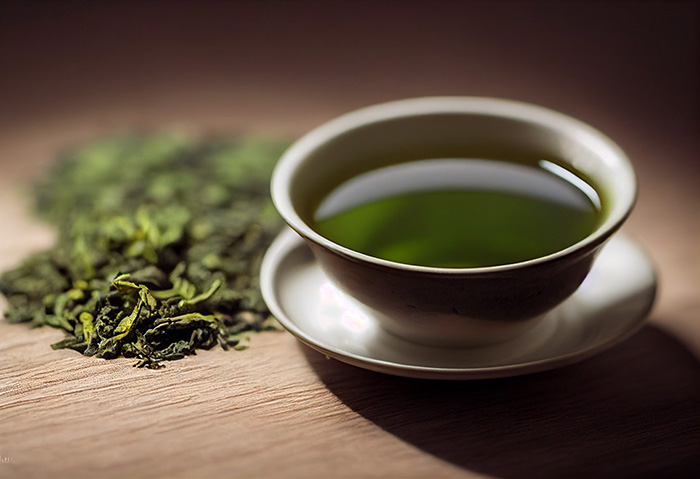
For those who prefer a gentler stimulant, green tea comes to the rescue. It not only provides a moderate caffeine boost but also promotes calmness and enhances concentration and creativity at the same time, thanks to its unique combination of caffeine and L-theanine, an amino acid known for its calming properties, present in it.
Origin and Cultural Significance:
I am absolutely in love with green tea, not just for its calming effects but also for its deep cultural roots. The history begins back in ancient China, where it was revered not just as a beverage but a medicinal marvel, an appreciation that expanded across borders reaching Japan, Korea, and other parts of Asia. Legend has it that Emperor Shen Nong stumbled upon this delightful brew around 2737 BCE, a narrative that has since become a cherished part of Chinese folklore.
In Japan, green tea became an integral element in Zen Buddhism. Here, it played a crucial role, facilitating a calm yet alert state of mind during meditation sessions. This spiritual intertwining birthed the "chanoyu" or "chado", the traditional Japanese tea ceremony. A philosophical endeavour that goes beyond just preparing tea; it encourages a meditative connection with the present moment, marrying aesthetics, mindfulness, and a deep appreciation for nature and art.
Bringing it back to our modern world, it fills me with joy to witness how green tea fosters a global community. The world over, people have embraced it, as a gentle companion encouraging mindfulness and tranquillity in our hectic lives.
Mate: The Social Stimulant
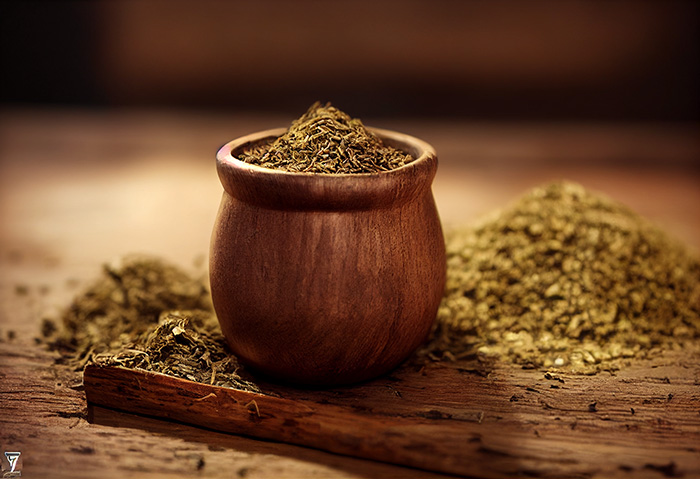
Let's turn our attention to the South American continent, home to the traditional beverage mate, which offers not just a caffeine boost but a rich intake of vitamins, minerals, and antioxidants. Mate, made from the leaves of the yerba mate plant, has a milder caffeine content compared to coffee. It provides a gentle, sustained energy lift without the jitters often associated with coffee.
Origin and Cultural Significance:
Our journey begins in the pre-Columbian era. The Guaraní, along with other indigenous communities in South America, held mate in high esteem, not only for its medicinal attributes but also as an emblem of hospitality and camaraderie. In today's world, "rondas de mate" or mate circles, are a beautiful echo of the past, bringing communities together, sharing stories and forging friendships, with the mate gourd, or "cuia", being passed from hand to hand. The preparation itself, involving the careful selection of yerba mate leaves and the ritualistic pouring of water is nothing short of art. This drink, in essence, is a testament to South American societies' rich culture and history. It's not just a drink, it’s a ritual, it’s an art, it's the heartbeat of a rich culture.
Guarana: The Amazonian Energizer
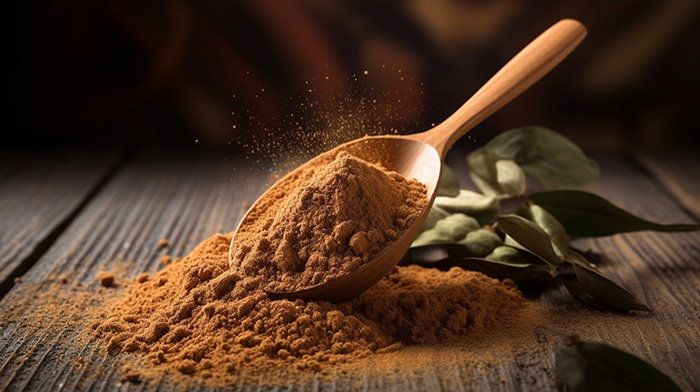
We now transition to another enchanting part of South America, the Amazon, home to the magical guarana plant. This plant produces tiny red fruits packed with caffeine -considered even more potent than our everyday coffee. It offers a steady release of energy, making it an excellent choice for those who wish to steer clear of sudden crashes.
Origin and Cultural Significance:
For centuries, guarana holds a special place in the heart of the Amazonian culture. The Guarani tribe, which gave the plant its name, used it not just for its stimulating effects, but also for its symbolic representation of life due to its invigorating properties, deeply integrating it into religious ceremonies and life narratives.
In traditional Guarani culture, guarana has been used to tell mythological tales, often narrated while seeds were washed, roasted, and ground into a paste. Today, guarana is deeply embedded in Brazilian culture, making appearances not just in energy drinks, but in delectable culinary creations. And if you ever find yourself in Maués during the annual guarana festival, you'll witness a riot of colours, dance, and music, all celebrating this cherished plant.
A Comparative Glance: Caffeine Content and Duration of Effects
After learning about the individual attributes of each beverage, I know you’re eager to discover how they stack up against each other in terms of caffeine content. I’ve gathered this information in a handy overview for you:
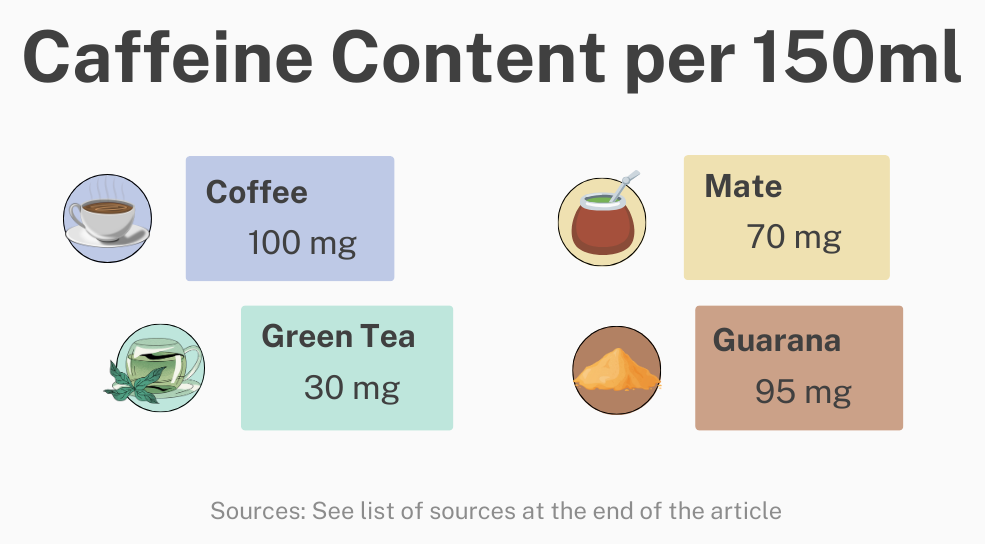
Please regard the above figures as estimations and keep in mind that even coffee beanspicked from the same branch can house varying caffeine levels, a divergence that further amplifies with different roasting techniques.
Duration of Effects on the Body
Did you know that indulging in up to 400 milligrams of caffeine daily is generally safe for most healthy adults? To put it in perspective, that's roughly the joy enclosed in four cups of brewed coffee! Furthermore, it has a half-life of four to six hours. This means that up to six hours after enjoying your caffeinated beverage, you still have about half the caffeine keeping you lively and alert.
Breaking the Vicious Circle: Balancing Caffeine Intake and Sleep
Navigating the world of caffeine can sometimes lead us into a vicious circle: we rely on caffeine to compensate for a lack of sleep, but consuming it late in the day can disturb our precious sleep later on, perpetuating a cycle of fatigue and reliance on caffeinated drinks. Here's how the vicious cycle unfolds:
- Consuming caffeine late in the day leads to difficulty falling asleep.
- Insufficient sleep results in tiredness and fatigue the next day.
- And there we are again, reaching for more caffeine, only to reignite the cycle.
Now, for the love of all things sustainable and my personal commitment to making eco-conscious decisions, I wholeheartedly believe that our relationship with caffeine can be both enjoyable and harmonious.
To foster a healthy relationship with caffeine, consider the following recommendations:
- Adhere to the recommended daily intake: Refer to the table above to stay within the suggested daily limits, promoting restful sleep and balanced energy levels.
- Experiment with different types of caffeinated beverages to find what suits you best.
- To avoid adverse effects on sleep, it is generally recommended to have your last caffeinated drink in the early afternoon, providing time for the caffeine to be metabolised before bedtime and to avoid sleep disturbances.
It's my sincere wish that these gentle nudges help you dance gracefully with caffeine, creating a rhythm that celebrates both energy and rest. I would absolutely love to hear about your caffeine journeys and any insights you've picked up along the way. Let's embark on this mindful caffeine adventure together!
Environmental Impact: CO₂ Emissions and WaterFootprints
I am passionately committed to promoting sustainability in our daily choices. As we enjoy these beverages, it is crucial to at least consider the environmental impacts they carry with them and be conscious of them. Let's take a closer look at the CO₂ emissions and water footprints associated with coffee and green tea (Sadly, I was unable to locate information regarding guarana and mate):
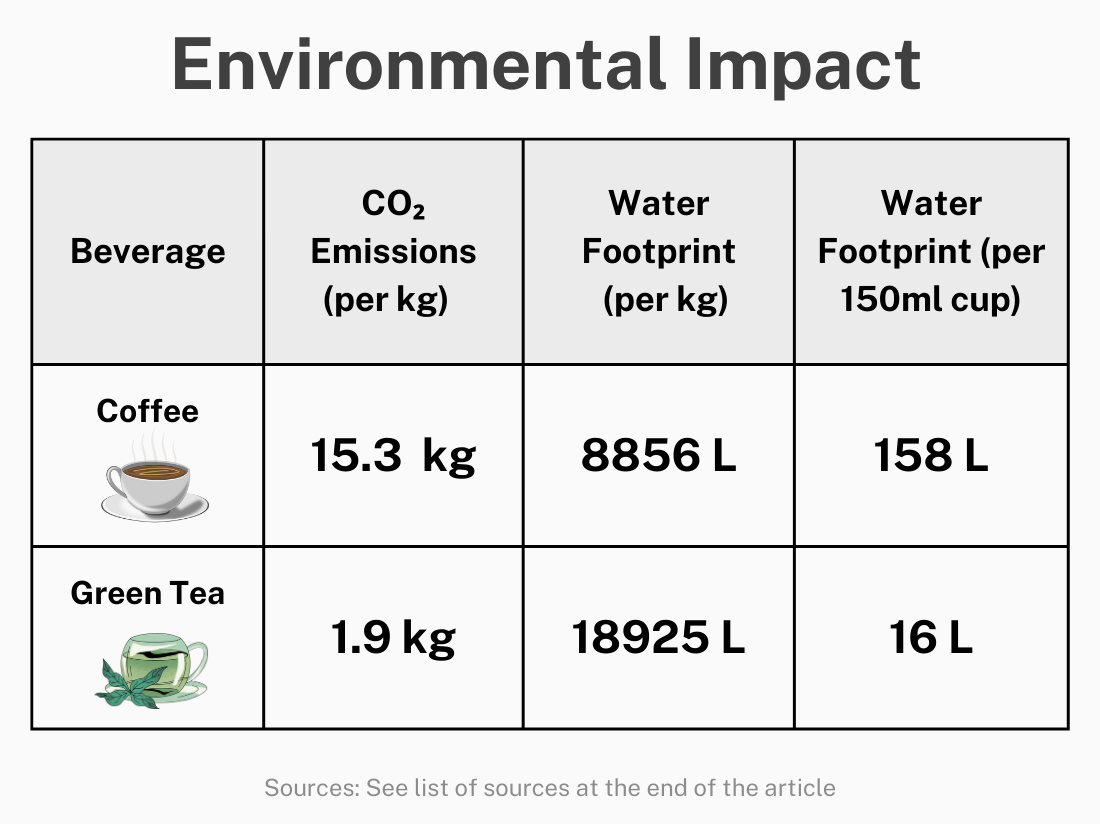
Awareness about the environmental impact helps in making informed decisions, and adopting a more sustainable lifestyle. Coffee, for instance, has a significantly higher carbon and water footprint compared to the others, which is linked to the extensive agricultural practices involved in its cultivation. When traditionally shipped to Europe, one kilogram of coffee beans results in approximately 15.3 kg of CO₂ emissions as stated above. But guess what? By adopting eco-friendly practices like using less fertiliser and choosing cargo ships for transportation, we can reduce this to just 3.5 kg of CO₂ per kilogram. In contrast, green tea and mate have relatively smaller CO₂emissions, making them more environmentally options. In fact, 1 kilogram of green tea produces only 1.9 kilograms of CO₂. Furthermore, the future of coffee is uncertain, with projections suggesting that by 2100, 50% of coffee-growing lands will be unsuitable due to the repercussions of climate change, including erratic rainfall patterns and escalating temperatures. Ethiopia, a major producer, already faced a 60% drop in production by 2020. As the challenges intensify, coffee could shift from a daily drink to a luxury.
Conclusion
As we reach the end of this delightful journey, I hope that you are leaving with a deeper appreciation and understanding of the beverages that grace our daily lives. They are more than just drinks; they are journey's through history, a tribute to cultures, a witness to the beautiful relationships we foster with each other and nature. Whether you prefer the quick boost from coffee, the calm alertness provided by green tea, the community spirit of mate, or the potent kick of guarana, understanding their different impacts can help us make informed choices, aligning with our health goals and ecological consciousness.Let's make each sip count. A Toast to Life and Nature!
Sources:
- https://theconversation.com/coffee-heres-the-carbon-cost-of-your-daily-cup-and-how-to-make-it-climate-friendly-152629
- https://www.waterfootprint.org/resources/interactive-tools/product-gallery/
- https://www.coffeeness.de/en/how-much-caffeine-in-coffee/
- https://www.healabel.com/green-tea-benefits/#11-water-footprint-of-green-tea
- https://www.theguardian.com/environment/green-living-blog/2010/jun/17/carbon-footprint-of-tea-coffee